Maximize Your Home Sale: Top Strategies for 2026
Real Estate, Home Selling, Personal Finance
How to Sell Your Home for Top Dollar in Today’s Market
Selling a home in 2026 isn’t about luck—it’s about strategy. With prices still near record highs but buyers becoming more selective, the homes that command top dollar are the ones that are priced smartly, presented beautifully, and marketed like a product. This guide walks you step by step through what today’s buyers want and exactly how to position your home to stand out and sell for the highest possible price.
Understand Today’s Market Before You List
The first step to selling for top dollar in today’s market is knowing the playing field. As of early 2026, the U.S. housing market is in a more balanced—though still inventory‑constrained—phase. Existing home sales are improving, but they’re still below the long‑term norm, and available inventory sits around a 3.7‑month supply, short of the six months considered “balanced” between buyers and sellers (AP News; U.S. Title Records).
Prices are no longer skyrocketing, but they’re not crashing either. Most forecasts call for modest price growth of about 1–2% in 2026 (Realtor.com, Redfin, Compass). Mortgage rates have eased from their peaks, hovering near or just above 6%, and typical monthly payments are down compared with last year (Zillow, Forbes Advisor). In plain language: buyers have a bit more breathing room, but they’re also choosier. They expect value, move‑in readiness, and transparency.
📌 Key Takeaway: You’re not competing in a bidding-war frenzy anymore. You’re competing on presentation, condition, and pricing precision.
Step 1: Time Your Sale Strategically
Seasonality still matters. Historically, spring and early summer have produced the strongest prices and fastest sales, as families aim to move between school years and nicer weather draws more buyers out (Zillow, Realtor.com). In a market where inventories are gradually improving but still below pre‑2020 levels, listing during peak buyer demand can translate into more showings and better offers in less time.
Ask your agent for local data. In some warm‑weather markets, winter can be surprisingly strong. In vacation or college towns, different patterns apply. Micro‑markets rule in 2026—your city, even your neighborhood, has its own rhythm.
Watch mortgage rate trends. When rates dip, more buyers jump in. If you see rates easing and local inventory still tight, that’s often an excellent window to list.
💡 Pro Tip: If you must sell off‑season, lean extra hard on staging and pricing strategy. Fewer buyers doesn’t have to mean a weaker sale if your home is the best‑looking option in its price range.
Step 2: Price for Competition, Not Crickets
Overpricing is the fastest way to leave money on the table. In a slower, more analytical market, buyers are armed with data from Zillow, Redfin, and AI‑enhanced pricing tools. If your home is clearly above comparable properties, many will skip the showing entirely rather than “see if you’ll come down later.”
Get an Accurate Value Baseline
Request a comparative market analysis (CMA). A good agent will pull recent sales of similar homes in your area, adjusting for size, condition, and features to estimate a realistic price range.
Consider a professional appraisal. Particularly if your home is unique or in an area with few recent sales, an appraiser can give you a data‑backed opinion of value that helps you set expectations and justify your price to buyers and their lenders.
Use Strategic, Not Emotional, Pricing
Rather than “testing high,” aim for a price that’s slightly below what the market data supports. This can create a sense of value and urgency, especially when inventory in your price band is limited. Multiple interested buyers are more likely to bid your home up than a single buyer is to overpay for an obviously overpriced listing. Realtor.com and other experts consistently note that pricing correctly from day one is one of the strongest predictors of a top‑dollar outcome.
📌 Key Takeaway: The goal is not the highest asking price; it’s the strongest final price. A sharp, realistic list price is what gets you there.
Step 3: Make Your Home Irresistible Before It Hits the Market
Boost Curb Appeal: Win Them in the First 10 Seconds
Buyers often decide how they feel about a home before they even step inside. In a market where more sellers are listing and buyers are comparing options online and in person, curb appeal can directly impact your final sale price. Simple, cost‑effective upgrades can pay off big:
Fresh mulch, trimmed hedges, and seasonal flowers for color and warmth
Power‑washed siding, walkways, and driveways to remove grime and age
A freshly painted or replaced front door, updated house numbers, and modern exterior lighting for a polished look
Declutter, Depersonalize, and Deep Clean
Today’s buyers spend hours scrolling through listing photos and virtual tours. Cluttered, overly personal, or dark spaces simply don’t perform as well. To attract top offers:
Remove excess furniture to make rooms feel larger and more open.
Pack away most family photos, collections, and highly personal items so buyers can imagine their own lives there.
Invest in a professional deep clean, including carpets, grout, windows, and baseboards. A spotless home signals that it’s been well cared for.
Make Smart Repairs and Cost‑Effective Upgrades
In 2026, buyers are gravitating toward move‑in‑ready homes as construction and renovation costs remain high. Forbes notes that turnkey and even furnished homes are outperforming fixer‑uppers. That doesn’t mean you need a full renovation, but it does mean obvious issues should be addressed before you list.
Fix leaky faucets, cracked tiles, damaged trim, and doors that stick or squeak. These small problems can make buyers wonder what larger issues they can’t see.
Update dated light fixtures, cabinet hardware, or faucets with contemporary, neutral styles for relatively low cost but high visual impact.
Consider modest kitchen or bathroom refreshes—like repainting cabinets, installing new countertops in a mid‑range material, or replacing an old vanity—rather than full gut remodels right before selling.
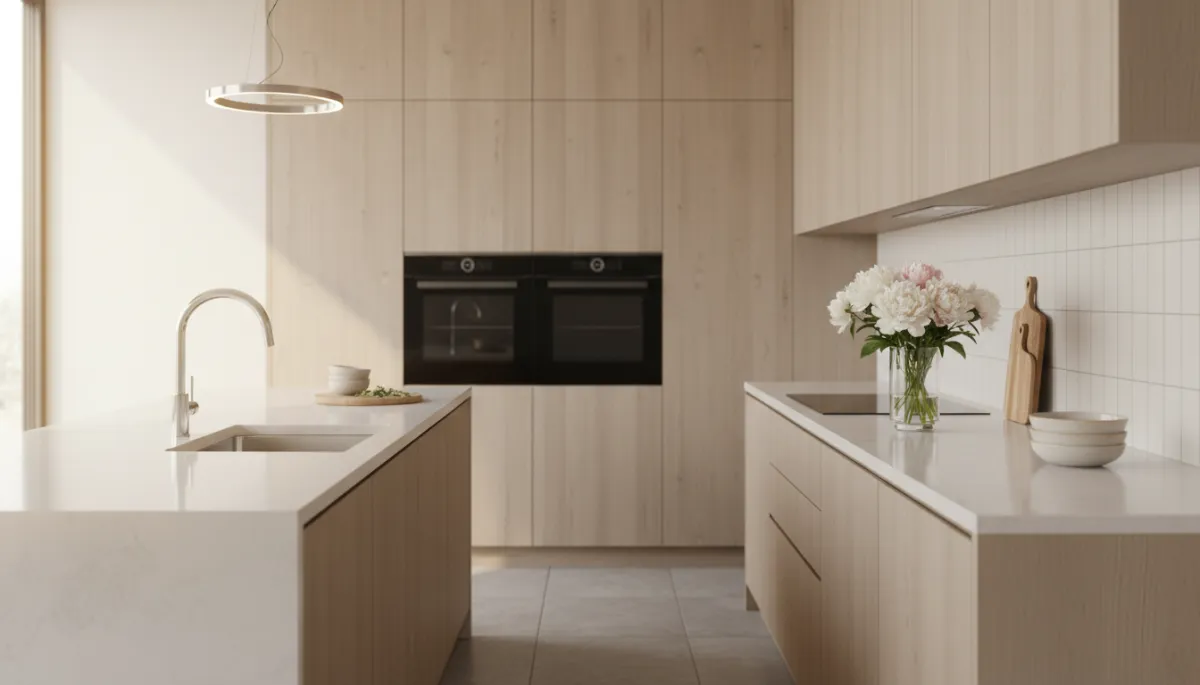
Simple cosmetic upgrades in kitchens often deliver outsized returns at resale.
Step 4: Stage to Match What 2026 Buyers Want
Staging is no longer a luxury reserved for high‑end homes. It’s a core marketing tool that helps your home photograph beautifully and feel aspirational in person. Forbes and Realtor.com both highlight staging as a top factor in achieving premium prices, especially when buyers are relying on online impressions to decide which homes to tour.
Highlight Flexible, Multi‑Use Spaces
Post‑pandemic living patterns are here to stay. Buyers want spaces that can flex between work, school, fitness, and relaxation. When staging:
Show at least one room as a dedicated or hybrid home office with a simple desk, chair, and good lighting.
If you have a finished basement or loft, stage part of it as a media room, playroom, or workout area so buyers can picture their lifestyle there.
Appeal to Multigenerational and Aging‑in‑Place Buyers
Searches for multigenerational living, granny pods, and assisted living‑at‑home solutions are surging as Baby Boomers age and families look to consolidate housing costs. If your home has a main‑floor bedroom, in‑law suite, finished basement with a bath, or accessory dwelling unit, make sure these are clearly staged and highlighted in your listing description. These features can justify a higher price because they speak directly to emerging lifestyle trends in 2026.
Use a Neutral, Cohesive Aesthetic
A neutral, modern palette—think soft whites, warm grays, and light wood tones—photographs beautifully and lets buyers mentally “move in” without being distracted by bold colors or heavy patterns. Add personality through easily changeable accessories: throw pillows, plants, art, and rugs. The goal is a space that feels elevated yet broadly appealing, not tailored to one very specific taste.
💡 Pro Tip: If full professional staging isn’t in the budget, consider a consultation. Many stagers will walk through your home and create a detailed DIY plan using mostly what you already own—for a fraction of the cost of full staging.
Step 5: Showcase Energy Efficiency and Smart Tech
Today’s buyers are not just buying a home—they’re buying a monthly budget and a lifestyle. Energy‑efficient and tech‑forward features can make your home stand out and support a higher price point, especially when utility costs and climate concerns are top of mind.
Highlight energy‑efficient windows, insulation, and appliances in your listing. If you have solar panels, include recent utility bills to demonstrate savings.
Call out smart home features like thermostats, security systems, video doorbells, smart locks, or integrated speakers. These are especially appealing to Millennial and Gen Z buyers, who now make up a large share of the market.
In disaster‑prone regions, resilience features—fire‑resistant materials, flood mitigation, backup power, impact‑resistant windows—are increasingly important and can justify a premium. Be sure to mention these in your marketing and have documentation ready for buyers who ask.
Step 6: Invest in Exceptional Digital Marketing
In 2026, the first showing happens online. AI‑driven search platforms, social media, and listing portals are where buyers fall in love—or scroll past. To sell for top dollar, your digital presence must be as polished as the home itself.
Professional Photography and Video Are Non‑Negotiable
Hire a real estate photographer who understands angles, lighting, and composition. Dark or distorted photos can cost you showings and offers.
Add a video walkthrough or 3D virtual tour. Realtor.com and Zillow report that listings with virtual tours get more views and saves, and remote buyers increasingly rely on them to make decisions.
Leverage Social Media and AI‑Powered Platforms
A strong agent will syndicate your listing to major portals, but top‑dollar strategies go further. Short‑form video tours on Instagram, TikTok, and Facebook Reels, targeted ads aimed at likely buyers (for example, people relocating from higher‑cost cities), and SEO‑friendly listing descriptions can all widen your buyer pool. AI tools now help match buyers to homes that fit their preferences, so clear, keyword‑rich descriptions of your home’s features and location advantages matter more than ever.
💡 Pro Tip: Ask potential agents to show you recent listings they’ve marketed. Look at the photos, videos, and copy. If their online presentation doesn’t impress you, it won’t impress buyers either.
Step 7: Choose the Right Agent—and Use Them Fully
A skilled agent is one of the most powerful tools you have for achieving a top‑dollar sale. They bring market knowledge, pricing expertise, marketing resources, and negotiation skills that most individual sellers simply don’t possess. In a market that’s no longer forgiving of mistakes, cutting corners on representation can cost far more than you save in commission.
Interview multiple agents. Ask about their track record in your neighborhood, average days on market, list‑to‑sale price ratio, and specific strategies for marketing your home in 2026’s environment.
Discuss communication expectations. Top agents provide regular updates, feedback from showings, and data on how your listing is performing online so you can adjust quickly if needed.
Once you’ve hired the right professional, trust their guidance on pricing, staging, and timing. You’re the expert on your home; they’re the expert on how to position it in today’s market to get you the best possible outcome.
Step 8: Make Showings Effortless for Buyers
You can’t sell your home for top dollar if buyers can’t see it. Being flexible and accommodating with showings increases your chances of attracting multiple serious buyers, which is where the strongest offers come from.
Allow for short‑notice showings when possible. Many buyers and their agents are juggling tight schedules; rigid time windows can cause them to skip your home entirely and focus on easier options.
Keep the home show‑ready as much as possible during the active listing period. Create a quick daily checklist for dishes, trash, beds, and surfaces so you’re never more than 15–20 minutes from ready.
Remote closings and digital paperwork are now common, but buyers still want to experience a home in person. The easier you make that for them, the more likely you are to receive strong, confident offers.
Step 9: Negotiate with a Clear Strategy—Not Just Emotion
When offers start coming in, it’s tempting to focus solely on the headline price. But in 2026’s more nuanced market, the terms of the offer can be just as important as the number at the top of the page. Your agent can help you compare and counter intelligently, but it’s useful to know what to look for yourself.
Review financing strength (conventional vs. FHA/VA, down‑payment size, pre‑approval letters) and the likelihood of the loan closing smoothly.
Weigh contingencies—inspection, appraisal, sale of buyer’s current home, etc. Fewer or shorter contingencies can sometimes outweigh a slightly higher price with more strings attached.
Consider timing. A flexible closing date that aligns with your next move can save you storage costs, temporary housing, or double mortgage payments—real money that affects your net proceeds.
📌 Key Takeaway: The “best” offer is the one with the strongest combination of price, certainty, and timing—not always the highest number on paper.
Step 10: Prepare Your Paperwork and Transparency Package
Confident buyers make stronger offers. One of the most underrated ways to increase buyer confidence—and therefore the price they’re willing to pay—is to be organized and transparent about your home’s history and condition from the start.
Gather maintenance records, warranties, permits for renovations, and any past inspection reports. Having these ready shows that the home has been responsibly cared for.
Complete your seller’s disclosure thoroughly and honestly. Trying to hide issues is not only unethical; it can derail a sale or lead to legal trouble later. Buyers in today’s data‑rich environment are quick to walk away if something doesn’t feel right.
In some markets, sellers even opt for a pre‑listing inspection so they can fix or disclose issues proactively rather than being surprised mid‑transaction. While not necessary in every situation, it can streamline negotiations and support a higher initial asking price when used strategically.
Bringing It All Together: A Top‑Dollar Mindset for 2026
Selling your home for top dollar in today’s market isn’t about guessing or gambling. It’s about aligning your home with what 2026 buyers value most: move‑in readiness, energy efficiency, flexible spaces, digital convenience—and, above all, a fair price backed by clear data and strong presentation. The national numbers point to modest price growth and slowly improving affordability, but those broad trends don’t determine your outcome. Your results are driven by what you do before and during your sale.
Study your local micro‑market and time your listing thoughtfully.
Price strategically based on real data—not wishful thinking—so you attract competition rather than resistance.
Present a home that feels fresh, neutral, and ready for modern living, with clear attention to maintenance and detail.
Leverage professional marketing and a skilled agent to put that home in front of as many qualified buyers as possible—online and in person.
When you approach your sale like a business decision—guided by current market data, buyer trends, and expert support—you dramatically increase the odds of walking away with the strongest possible price and terms. In a market that’s no longer defined by extremes, that kind of thoughtful, strategic approach is exactly what separates top‑dollar sellers from the rest.
Before you list, take an honest look at your home through a buyer’s eyes, consult with a trusted local agent, and create a step‑by‑step plan using the strategies in this guide. With the right preparation, your home can rise to the top of buyers’ shortlists—and reward you with the premium price you’re aiming for in today’s evolving 2026 housing market.